
Understanding the Functionality and Importance of Cherry Picker
A cherry picker is an essential piece of equipment in various industries, serving a crucial role in elevating personnel and tools to hard-to-reach places. As a type of aerial work platform, cherry pickers have become integral in construction, maintenance, and even theatrical settings. This comprehensive guide will explore the capabilities, types, safety measures, and maintenance practices associated with cherry pickers, providing a detailed understanding for anyone looking to utilize these devices efficiently.
What is a Cherry Picker?
Definition and Overview
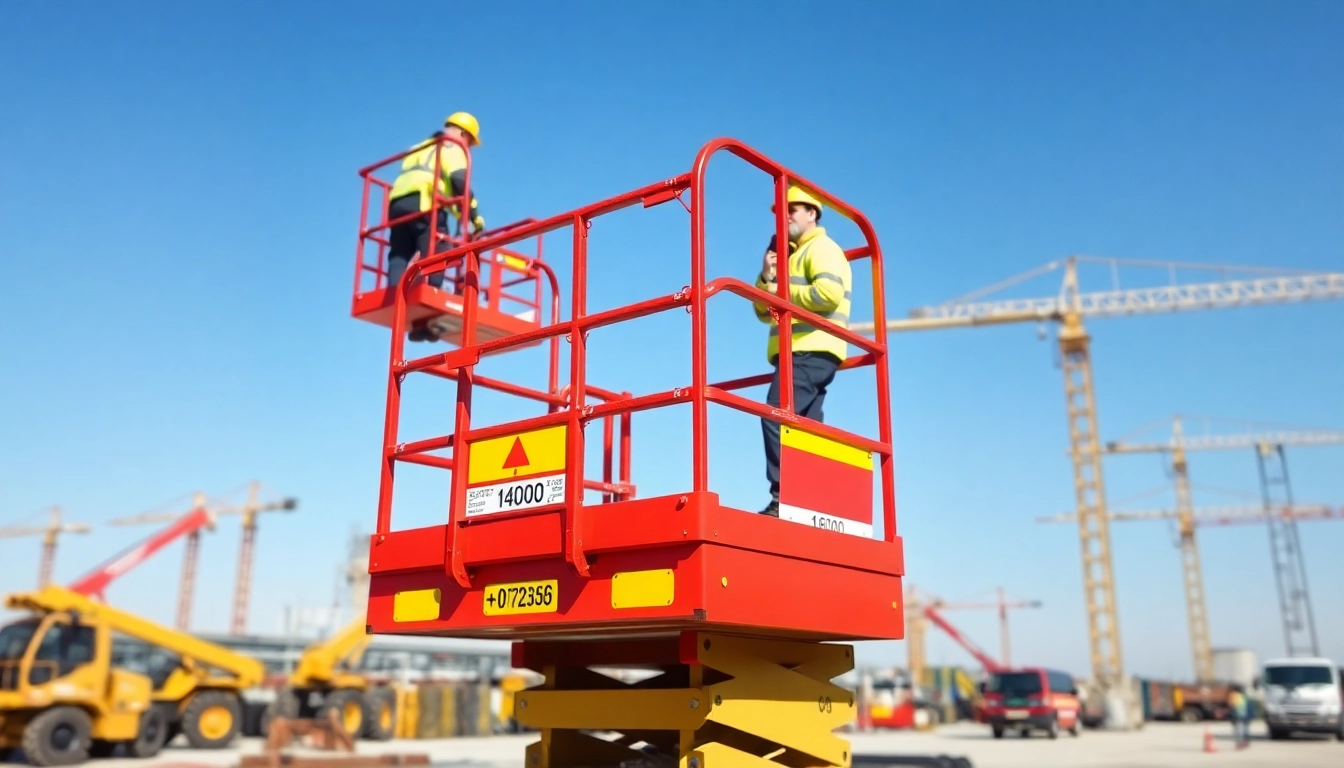
A cherry picker, technically classified as an aerial work platform, is designed to lift individuals and equipment to significant heights. Containing a platform or bucket on the end of a hydraulic arm, these machines can extend and maneuver, allowing access to areas that might be otherwise unreachable.
They are often mounted on vehicles, enabling mobility and flexibility across diverse job sites. The term "cherry picker" originated from orchards, where these machines were used to pick cherries from high branches. Today, they are widely used across various sectors for tasks such as maintenance, construction, and telecommunications.
Key Components of Cherry Picker
The main components of a cherry picker include:
- Basket/Platform: This is where the operator and equipment are placed. It often includes safety features such as guardrails.
- Hydraulic Arm: The arm provides the lift, allowing the platform to ascend and descend effortlessly.
- Base: This part gives stability and is usually equipped with wheels for mobility, although some models are stationary.
- Controls: They can be manual or remote-operated, allowing the operator to control movements from the ground or within the platform.
Common Uses in Industry
Cherry pickers have versatile applications including:
- Construction: Used for reaching high areas for roofing, maintenance of building facades, and installation of structures like windows and signage.
- Telecommunications: Essential for installing and maintaining overhead lines and cellular towers.
- Entertainment: Utilized in theaters and concerts for lighting setups and stage management.
- Utilities Maintenance: Employed by utility companies for inspecting and repairing power lines.
Types of Cherry Picker Available
Traditional vs. Self-Propelled Cherry Picker
Cherry pickers come predominantly in two types: traditional and self-propelled. Traditional cherry pickers are typically truck-mounted, providing greater reach and stability. In contrast, self-propelled cherry pickers can move independently on-site, allowing for enhanced maneuverability and rapid repositioning.
Self-propelled models often feature smaller dimensions, making them suitable for tight indoor spaces, while traditional models are highly effective in outdoor and large-scale applications.
Specifications and Capabilities
Different models of cherry pickers feature varied specifications. Key factors to consider include:
- Height Range: Available in heights ranging from 30 feet to over 150 feet, depending on the model.
- Weight Capacity: Can generally support between 300 to 1,000 pounds, making them capable of lifting multiple personnel or heavy equipment.
- Reach: Lateral reach can vary widely, affecting how far the platform can extend horizontally while elevated.
When selecting a cherry picker for your project, understanding these specifications is crucial in ensuring safety and efficiency.
Choosing the Right Type for Your Project
Choosing the appropriate type of cherry picker for a job depends on several factors:
- Job Location: Indoor or outdoor, construction site or urban setting.
- Height Requirements: Assess the maximum working height needed for the tasks at hand.
- Terrain: Consider whether the ground surface is flat, inclined, or rough, which might affect stability.
- Weight Load: Evaluate the combined weight of personnel and tools to ensure safe lifting.
Operational Safety When Using Cherry Picker
Essential Safety Guidelines
Working with cherry pickers requires adherence to safety protocols to prevent accidents. Essential safety guidelines include:
- Always wear appropriate personal protective equipment (PPE) such as hard hats, harnesses, and non-slip footwear.
- Conduct a pre-operation inspection to check the condition of the cherry picker, including hydraulic systems and electrical components.
- Ensure the operating area is clear of hazards such as overhead lines and unstable ground.
- Use proper hand signals or communication methods when working with a partner while elevated.
Proper Training and Certification
Operators of cherry pickers must undergo rigorous training and certification to ensure they can handle the equipment safely. Training should include:
- Theoretical Knowledge: Understanding the mechanics and limits of the cherry picker.
- Practical Operation: Hands-on training to familiarize the operator with controls and safe maneuvering techniques.
- Emergency Procedures: Awareness of how to respond to malfunctions or accidents while elevated.
Common Risks and How to Mitigate Them
Despite safety measures, certain risks remain, including falls, equipment failure, and electrical hazards. To mitigate these risks:
- Regularly maintain the cherry picker to ensure all systems are functional.
- Establish a safety zone around the working area to minimize exposure to bystanders.
- Develop emergency plans that include evacuation procedures and access to first-aid resources.
Maintenance Tips for Cherry Picker Longevity
Regular Inspection Practices
To extend the lifespan of a cherry picker, regular inspections are paramount. Operators should:
- Document inspection checklists for daily, weekly, and monthly evaluations.
- Examine hydraulic lines and connections for leaks.
- Test all safety features including emergency stops and alarms.
Preventive Maintenance Techniques
Incorporating preventive maintenance practices can significantly enhance the durability of cherry pickers. These include:
- Changing hydraulic fluids and filters at intervals specified in the manufacturer's guidelines.
- Lubricating moving parts as required to prevent wear and ensure smooth operation.
- Storing cherry pickers in climate-controlled environments to protect them from environmental damage.
Signs Your Cherry Picker Needs Repairs
Operators should be vigilant for signs that indicate maintenance work is necessary:
- Unusual noises or vibrations during operation.
- Leaking hydraulic fluid or irregular movements of the arm.
- Visible wear on mechanical components that could compromise safety.
FAQs about Cherry Picker
What is the typical height range for a cherry picker?
Cherry pickers typically reach heights from 30 feet to over 150 feet, depending on the model and intended use.
Can cherry pickers be used for indoor applications?
Yes, cherry pickers can be used indoors, particularly smaller models designed for tighter spaces.
How do I determine the cherry picker capacity I need?
Assess the weight of materials and personnel to ensure the cherry picker can safely lift the load.
What are the common maintenance tasks for a cherry picker?
Routine checks include inspecting hydraulic systems, brakes, lights, and mechanical wear parts to ensure safe operations.
Are special permits required to operate a cherry picker?
Yes, operators must have specific training and often need to obtain permits or certifications to operate cherry pickers legally.