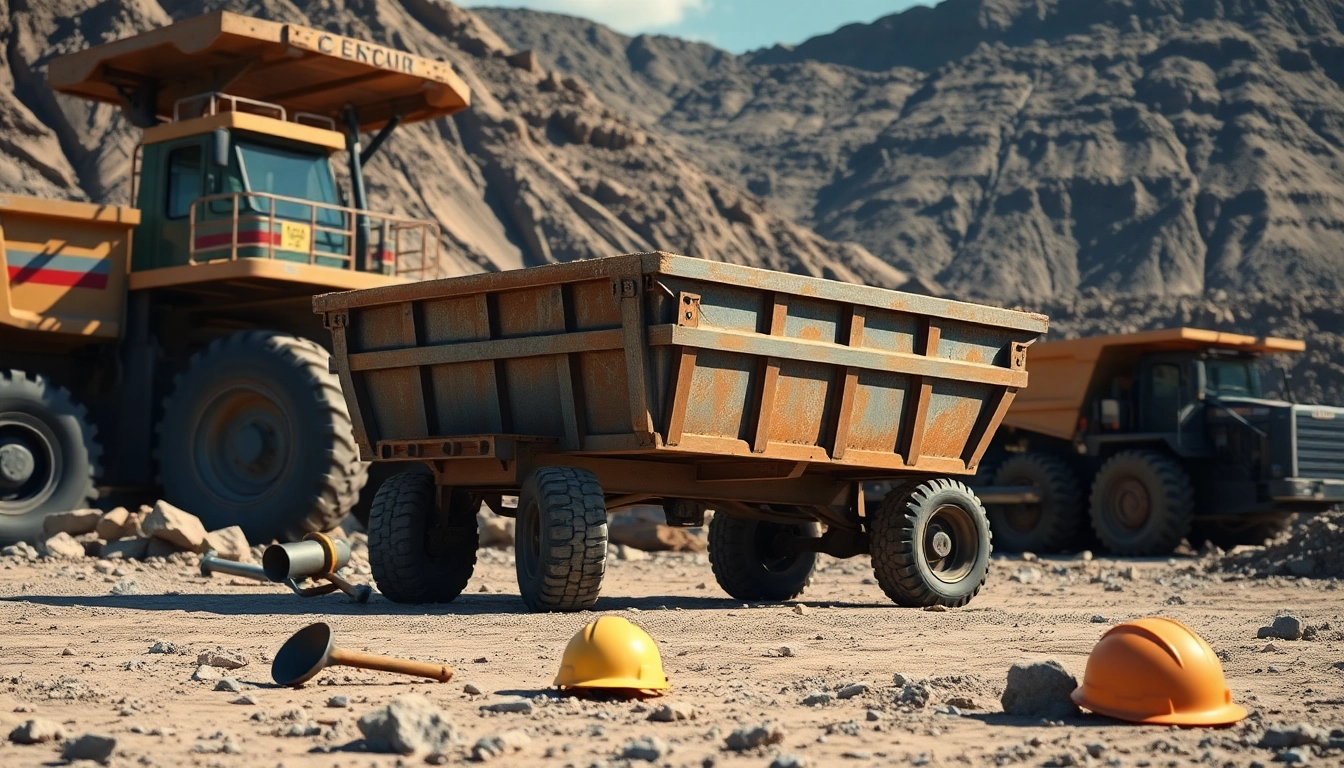
Understanding Construction Site Safety Los Angeles
Construction site safety is a critical facet of the building and development industry, particularly in busy metropolitan areas like Los Angeles. With numerous construction sites operating simultaneously, the potential for accidents and hazards escalates, emphasizing the need for robust safety measures. In this article, we will explore the various aspects of construction site safety los angeles, focusing on the importance of regulations, common hazards, essential safety practices, and future trends that shape the safety landscape in the region.
The Importance of Safety Regulations
Safety regulations serve as guidelines that govern the working environment and help protect the well-being of construction workers. In Los Angeles, these regulations are strictly enforced due to the high stakes involved in construction projects. The regulations set forth by organizations like the Occupational Safety and Health Administration (OSHA), as well as local building codes, ensure that contractors and construction professionals implement necessary safety measures to prevent accidents.
Non-compliance with safety standards can lead to disastrous consequences, including severe injuries or fatalities. Furthermore, the financial implications of such incidents can be devastating for companies, leading to litigation, fines, and loss of reputation. This underscores the importance of prioritizing safety regulations in all aspects of construction management.
Common Hazards on Construction Sites
Construction sites present a variety of hazards that can jeopardize worker safety. Some of the most common hazards include:
- Falls: Falls from heights are one of the leading causes of construction-related injuries. This includes falls from ladders, scaffolds, and roofs.
- Electrocution: Construction workers are at risk of electrocution due to exposed wiring, improper use of electrical tools, or working near power lines.
- Struck-by Objects: Workers can be injured by falling tools, equipment, or materials that are improperly secured on construction sites.
- Caught-in/Between Incidents: Workers may become trapped between equipment, materials, or the building itself, leading to severe injuries.
- Repetitive Strain Injuries: The physical demands of construction work can lead to chronic injuries due to repetitive tasks and poor ergonomic practices.
Recognizing these hazards is the first step in preventing accidents and ensuring a safe work environment.
Key Safety Equipment and Practices
Having the right safety equipment is crucial in minimizing risks on construction sites. Key safety gear includes:
- Hard Hats: Protect against head injuries from falling objects.
- Safety Goggles: Shield eyes from debris, chemicals, and hazardous materials.
- Reflective Vests: Increase visibility for workers in low-light conditions.
- Steel-Toed Boots: Offer protection against heavy objects and punctures.
- Harnesses and Lanyards: Essential for fall protection when working at heights.
In addition to personal protective equipment, implementing safety practices such as regular safety meetings, hazard assessments, and adherence to safety protocols is vital. Encouraging a culture of safety ensures everyone on site takes responsibility for their own safety and the safety of others.
Implementing Best Practices for Safety
Creating a safe construction environment involves more than just following regulations; it requires a commitment to best practices that promote safety at every level of the operation.
Safety Training Programs for Workers
Effective safety training programs are critical for ensuring that all workers understand the risks associated with their tasks and how to mitigate them. Training should include:
- Orientation for new employees covering safety protocols specific to the site.
- Regular refresher courses to keep safety practices top-of-mind.
- Hands-on training for the proper use of equipment and emergency procedures.
Additionally, involving workers in the development and implementation of safety training can enhance their engagement and compliance.
Regular Inspections and Maintenance
Regular inspections of equipment, tools, and the construction site itself are vital in identifying potential hazards before they cause harm. Maintenance schedules should be established for:
- Tools and machinery to ensure they are functioning correctly and safely.
- Safety systems such as ladders, scaffolding, and fall protection equipment.
- The overall site condition, checking for hazards like debris, unsafe structures, or inadequate lighting.
By emphasizing proactive inspection and maintenance, construction managers can significantly reduce the risk of accidents and injuries.
Accident Prevention Strategies
To prevent accidents, it is essential to implement strategies tailored to your specific construction environment. Some effective strategies include:
- Conducting thorough risk assessments before starting each project.
- Establishing clear safety protocols and ensuring they are communicated and enforced.
- Encouraging open communication among workers regarding potential hazards and unsafe practices.
- Utilizing safety audits to continually assess the effectiveness of safety measures.
By fostering a proactive approach to accident prevention, organizations can significantly enhance overall safety on construction sites.
The Role of Safety Officers
Safety officers play a pivotal role in maintaining a safe work environment on construction sites. Their responsibilities extend beyond compliance with regulations to fostering a culture of safety.
Responsibilities of Safety Professionals
The primary duties of safety professionals on construction sites include:
- Monitoring compliance with safety regulations and site-specific safety protocols.
- Conducting safety audits and inspections to identify and address hazards.
- Providing ongoing training and support to ensure workers are equipped to handle potential risks.
- Investigating accidents or near misses to determine root causes and prevent recurrence.
A well-trained safety officer can be instrumental in fostering a safe work culture and reinforcing the importance of safety throughout the construction process.
Emergency Response Planning
Emergency response planning is a crucial element of any construction safety program. By preparing for potential emergencies, organizations can mitigate the impact of incidents when they occur. Key components of an effective emergency response plan include:
- Identifying potential emergencies specific to the construction site, such as fires, injuries, or hazardous material spills.
- Establishing clear communication protocols to alert workers and emergency responders.
- Training workers on emergency procedures, including evacuation routes and first aid measures.
Regular drills and updates to the emergency plan will enhance preparedness and ensure that all workers know how to respond effectively.
Creating a Safety Culture on Site
A strong safety culture is essential for ensuring that all workers prioritize safety in their daily tasks. To build this culture, management should:
- Lead by example, demonstrating a commitment to safety in all operations.
- Encourage open dialogue about safety concerns without fear of retaliation.
- Recognize and reward safe behavior as a way to reinforce positive practices.
A constructive safety culture not only enhances worker morale but also significantly reduces the likelihood of accidents on site.
Legal and Compliance Aspects
Understanding the legal and compliance aspects of construction site safety is crucial for mitigating liability and ensuring worker protection.
Understanding OSHA Guidelines
The Occupational Safety and Health Administration (OSHA) provides vital guidelines and regulations aimed at protecting workers in the construction industry. Key OSHA standards for construction safety include:
- General safety and health provisions.
- Specific standards for scaffolds, fall protection, and electrical safety.
- Requirements for record-keeping and reporting injuries and illnesses.
Familiarizing oneself with these regulations is essential for construction managers and workers alike to ensure compliance and maintain a safe workplace.
Worker’s Compensation and Liability Issues
Worker's compensation laws protect employees who are injured on the job, covering medical expenses and lost wages. However, construction companies must also be aware of liability issues. This includes:
- Understanding the difference between negligence and inherent risk in construction.
- Implementing comprehensive safety protocols to minimize liability exposure.
- Keeping accurate records of safety training and incidents.
By maintaining rigorous safety standards, construction companies can reduce their risk of liability and ensure that workers are protected under the law.
Addressing Non-Compliance Consequences
Non-compliance with safety regulations can have severe consequences for construction companies. This may include:
- OSHA citations, which can lead to substantial fines.
- Increased insurance premiums due to a poor safety record.
- Legal repercussions that arise from negligence claims or lawsuits.
To mitigate these consequences, it is vital for companies to actively monitor compliance and implement corrective actions when needed.
Future Trends in Construction Site Safety Los Angeles
The future of construction safety is evolving, influenced by technological advancements, regulatory changes, and a heightened focus on worker well-being.
Technological Innovations in Safety Equipment
Emerging technologies are reshaping the landscape of construction site safety. Innovations include:
- Wearable Technology: Devices like smart helmets and safety vests that monitor worker health and environmental conditions.
- Drones: Used for site inspections, offering a bird's-eye view of potential hazards without putting workers at risk.
- 3D Modeling: Helps in visualizing construction plans and identifying safety concerns before they become problems.
By leveraging these technologies, construction companies can enhance safety measures and minimize risks on site.
Shifts in Regulatory Policies
As the construction landscape evolves, so too do regulatory policies. Anticipated shifts may include:
- Stricter enforcement of existing regulations to address rising accident rates.
- New regulations focused on mental health and wellness as part of overall safety.
- Increased collaboration between industry leaders and regulators to improve safety standards.
Staying informed about regulatory changes will be essential for construction companies to adapt and comply.
The Impact of Automation on Safety
Automation is beginning to play a significant role in enhancing safety on construction sites. Robotics and automated machinery can:
- Take on high-risk tasks, reducing human exposure to dangers.
- Work in hazardous environments where human workers might face significant risks.
- Improve accuracy in construction tasks, minimizing the potential for injury caused by errors.
As automation becomes more prevalent, continuous training and adaptation will be necessary for workers to effectively collaborate with these technologies.
Frequently Asked Questions About Construction Site Safety
What is the most common cause of accidents on construction sites?
The most common causes include falls, being struck by objects, electrocution, and caught-in/between hazards. Recognizing these can help in preventing incidents.
How often should safety training be conducted?
Safety training should be conducted during onboarding and refreshed regularly, at least annually, or whenever new equipment or procedures are introduced.
Are safety officers required on construction sites?
While not always required, having a dedicated safety officer is highly beneficial and often recommended for ensuring compliance and safety on larger sites.
What role does personal protective equipment play in safety?
Personal protective equipment (PPE) significantly reduces the risk of injury from common site hazards. Ensuring its proper use can save lives.
How can construction companies ensure they are compliant?
Companies can ensure compliance by regularly reviewing safety regulations, conducting thorough inspections, and providing ongoing training to all workers.