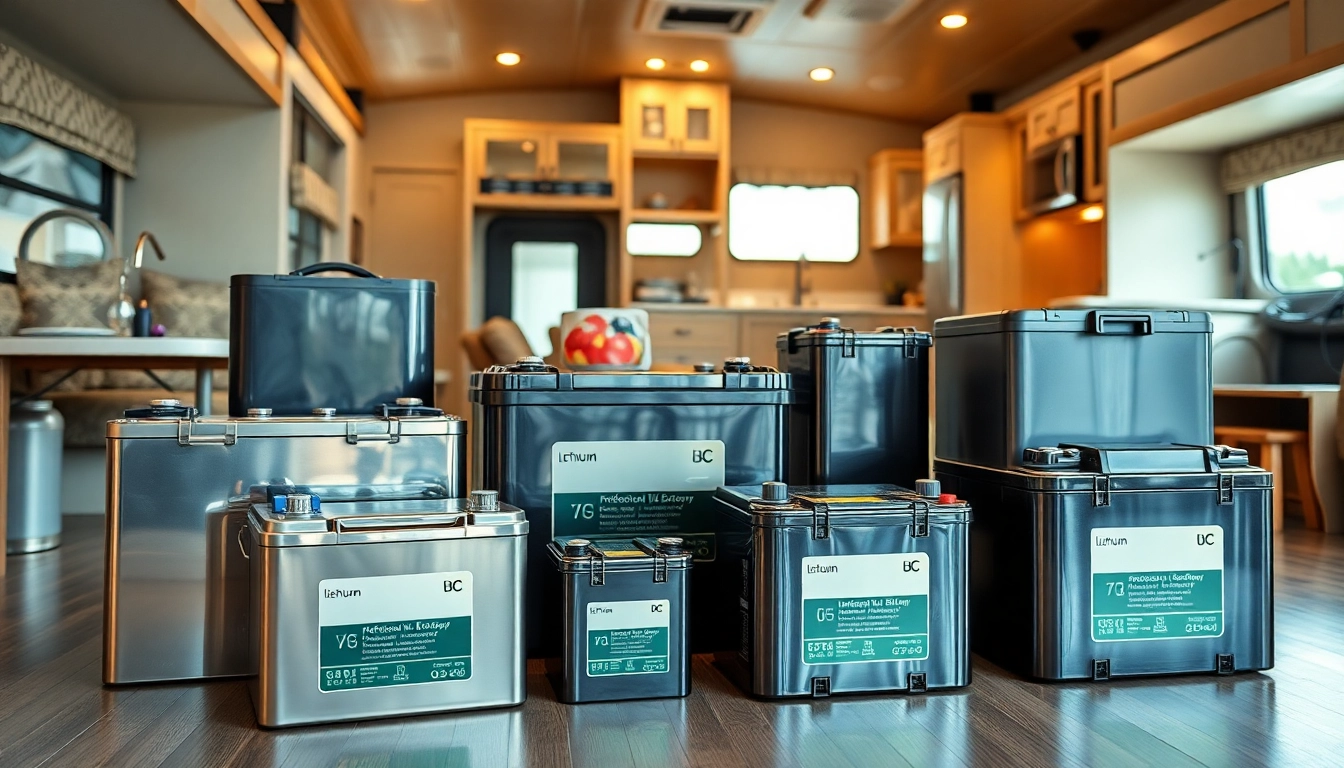
Understanding Lithium RV Batteries
As the RV lifestyle continues to grow in popularity, many adventurers are seeking the best power solutions to enhance their experiences on the road. One such solution has become particularly prominent: lithium RV batteries. These batteries offer numerous advantages over traditional lead-acid systems, making them a worthy investment for both seasoned travelers and newcomers alike.
What Are Lithium RV Batteries?
Lithium RV batteries are rechargeable batteries made from lithium iron phosphate (LiFePO4) chemistry, known for their light weight, longevity, and efficiency. They are designed specifically for use in recreational vehicles, ensuring a consistent power supply for all electrical needs—from lighting and heating to operating appliances and charging devices. These batteries generally provide a higher energy density than traditional lead-acid batteries, meaning they can store more energy in a smaller, lighter package.
Key Features and Advantages
The benefits of using Vatrer Power lithium RV batteries are numerous. Here are some key features:
- Long Lifespan: Lithium batteries can last for 10 to 15 years, significantly outpacing lead-acid alternatives, which typically last 3 to 5 years.
- Depth of Discharge: They allow for a deeper discharge, meaning you can use up to 80-90% of their capacity without harming the battery. In comparison, lead-acid batteries should only be discharged to about 50%.
- Rapid Charging: Lithium batteries have impressive charging capabilities, often reaching a full charge in just a few hours.
- Weight Efficiency: They are significantly lighter than lead-acid batteries, making for easier installation and better weight distribution in your RV.
- Temperature Tolerance: Lithium batteries perform well across a broader range of temperatures without the risk of freezing or damage.
Types of Lithium RV Batteries
Generally, there are two main types of lithium batteries that RV owners can consider: Lithium Iron Phosphate (LiFePO4) and Lithium Cobalt Oxide (LCO). Each serves different purposes and offers various advantages:
- Lithium Iron Phosphate (LiFePO4): This type is the most commonly used in RVs for its stability, safety, and longevity.
- Lithium Cobalt Oxide (LCO): Although this type provides higher energy density, it’s less stable and more suited for applications where weight is a critical factor, such as in certain electric vehicles, rather than RVs.
Comparing Lithium with Lead-Acid RV Batteries
Understanding the differences between lithium and lead-acid batteries can help potential buyers make informed decisions. Here’s a detailed comparison on various parameters:
Weight and Size Differences
Weight is one of the most noticeable differences between lithium and lead-acid batteries. A 100Ah lithium battery may weigh around 30-40 pounds, while a similar lead-acid battery could weigh over 60 pounds. This can make a significant difference in installation, maneuverability, and fuel efficiency of an RV.
Longevity and Cost-Effectiveness
While the initial cost of lithium batteries can be much higher than lead-acid ones, they tend to be more cost-effective over time. With lifespans of up to 15 years, 12V 300Ah Lithium Battery can save users money in replacement costs, particularly for frequent travelers who often need reliable power sources.
Charging Efficiency and Performance
Lithium batteries have higher charging efficiencies compared to lead-acid, taking about 1-3 hours for a full charge. Additionally, they can handle higher charge currents without damage, making them suitable for solar setups and other quick power sources, offering reliable performance even under load.
How to Choose the Right Lithium RV Battery
Selecting the correct lithium RV battery requires careful consideration of a few key factors:
Assessing Your Power Needs
Understanding your energy consumption is crucial. Calculate the total watt-hours your devices will consume and ensure that your lithium battery can handle this demand. Take into account the appliances and lights you plan to use, including their wattage and runtime.
Important Features to Consider
Here are critical features to look for when selecting your lithium RV battery:
- Capacity: Measured in amp-hours (Ah), this indicates how much energy the battery can store.
- Voltage: Common voltages for RV batteries are 12V, 24V, and 48V, so ensure compatibility with your RV’s system.
- Warranty: Look for batteries with solid warranties that reflect manufacturer confidence in the product.
Installation Tips for Lithium Batteries
Installing lithium batteries can be simple if you follow these guidelines:
- Ensure proper ventilation in the battery compartment to prevent overheating.
- Utilize appropriate wiring and connectors to prevent arcing and ensure safety.
- Consider installing a battery management system (BMS) to monitor and protect your battery from potential issues.
Maintaining Your Lithium RV Batteries
Proper maintenance can prolong the life of your lithium batteries significantly. Here are some best practices:
Best Practices for Battery Lifespan
To maximize lifespan, always charge your battery after deep discharges, keep it cool, and avoid exposing it to extreme temperatures. Additionally, a periodic check of connections and cleanliness ensures optimal performance.
Common Issues and Troubleshooting
Some common problems include over or undercharging, which can reduce battery efficiency. It's important to monitor voltage levels regularly and use devices that match lithium battery chemistry to avoid issues.
Maximizing Efficiency While Camping
To maximize efficiency during your camping trips, consider incorporating renewable energy sources like solar panels. Utilize energy-efficient appliances and carefully plan your power usage to extend battery runtimes.
FAQs About Lithium RV Batteries
Are lithium batteries worth the investment for RVs?
Yes, for frequent campers, lithium RV batteries provide a longer lifespan and higher capacity than lead-acid batteries, offering better long-term costs.
How long can a lithium RV battery last?
A lithium RV battery can typically last 10-15 years with proper maintenance, far outlasting traditional lead-acid batteries.
What size lithium battery do I need for my RV?
Your size will depend on your energy needs, but common capacities range from 100Ah to 400Ah, tailored to your RV’s requirements.
Can I use lithium batteries in cold weather?
Many lithium batteries can function in cold weather, and some models include built-in heating to ensure reliability in low temperatures.
Do I need a special charger for lithium RV batteries?
Yes, you need a lithium-specific charger to ensure that the battery charges safely and efficiently, maximizing lifespan and performance.