Introduction to Celebrity Lookalikes
The phenomenon of celebrity lookalikes or doppelgangers captivates both fans and the media alike. From movie screens to social media platforms, conversations about celebrities that look alike have sparked intrigue, laughter, and even confusion among audiences. Why do we find certain celebrities so similar? Is it the shape of their eyes, the curve of their smile, or perhaps the way they carry themselves? This exploration dives deep into the fascination with lookalikes through cultural, historical, and social lenses. As we dissect the phenomena rooted in our celebrity-obsessed culture, we see how lookalikes not only entertain but also influence trends, fashion, and the broader pop culture landscape.
Understanding the Fascination with Doppelgangers
The allure of celebrity lookalikes stems from our innate desire to categorize and connect with individuals who share similar traits. This psychological inclination can be traced back to the human brain's efforts to recognize and associate faces. Studies show that we are wired to identify patterns, and when we see two well-known faces that resemble each other, it creates a spark of fascination and wonder. Audiences may reminisce about their personal experiences with 'seeing double' in everyday life, which adds an extra layer of appeal. Additionally, in an era where social media amplifies visibility, lookalikes often gain traction as fans and followers engage in discussions, share memes, and create content around their similarities.
Historical Context of Celebrity Lookalikes
Throughout history, lookalikes have captured the public's attention. The concept of doppelgangers is not new; in fact, it dates back to ancient times. In literature, the idea of a double can be traced back to stories that explore themes of identity and self-recognition. For example, the term "doppelgänger" originates from German folklore, where it referred to a ghostly counterpart of a living person. In the entertainment world, famous duos such as Mary-Kate and Ashley Olsen or even historical figures like Abraham Lincoln and John Wilkes Booth have drawn comparisons that underline the physical and often symbolic parallels between individuals. As the entertainment industry blossomed with the advent of film and television, the fascination with celebrity lookalikes only intensified.
The Impact of Social Media on Celebrity Culture
In recent years, social media has revolutionized how we perceive and discuss celebrity culture. Platforms like Instagram, TikTok, and Twitter enable instant sharing of images and videos, making it easier for fans to point out and celebrate instances of celebrity resemblance. Viral challenges and memes featuring lookalike celebrities often capture the internet's affection, further enhancing the appeal of these pairs. Influencers and regular users alike participate in the trend, often humorously pointing out striking similarities between celebrities across various fields—from Hollywood actors to pop stars. This digital landscape has democratized fame, allowing more voices to contribute to the ongoing conversation about who looks like whom.
Top Celebrity Lookalikes of 2026
As we delve into 2026, the landscape of celebrity lookalikes continues to evolve, revealing new pairs that leave fans astonished. This section highlights some of the most notable lookalikes currently captivating audiences around the globe.
The Most Notable Male Celebrities That Look Alike
This year has seen a surge of male duo comparisons that have taken social media by storm. Celebrities such as Henry Cavill and Matthew Bomer are frequently mentioned due to their strikingly similar jawlines and dark hair. Fans often joke that they could easily swap places in a film script without anyone noticing. Other notable pairings include Will Ferrell and Chad Smith, who have generated amusing discussions about their identical looks. The appeal of these doppelgangers goes beyond mere appearance, as their personalities and public personas often feign humor and charm that synergistically captivate audiences.
Popular Female Lookalikes Making Headlines
The world of female celebrities has its share of iconic lookalikes. One standout duo is Katy Perry and Zooey Deschanel; their similar hairstyles and facial features have sparked endless fascination online. Another notable pair includes Victoria Justice and Nina Dobrev. These women not only share striking physical attributes but have also developed impressive careers in acting, further enhancing the conversation about their lookalike status.
Surprising Celebrity Lookalike Pairings
Among the more surprising pairings is Sarah Hyland and Mila Kunis, who both share youthful features and expressive eyes. Fans are often astonished to see how these actresses could be mistaken for one another in casual candid photos. The juxtaposition of Jennifer Connelly and Demi Moore is another fascinating example, as both portray a certain elegance and sophistication that draws admiration from their respective fan bases. These unexpected celebrity lookalikes remind us that similarities can often transcend genre and style.
How Celebrity Lookalikes Influence Fashion and Trends
The phenomenon of celebrity lookalikes goes beyond just amusing anecdotes or social media discussions; it significantly impacts fashion and cultural trends.
Red Carpet Moments: The Influence of Doppelgangers
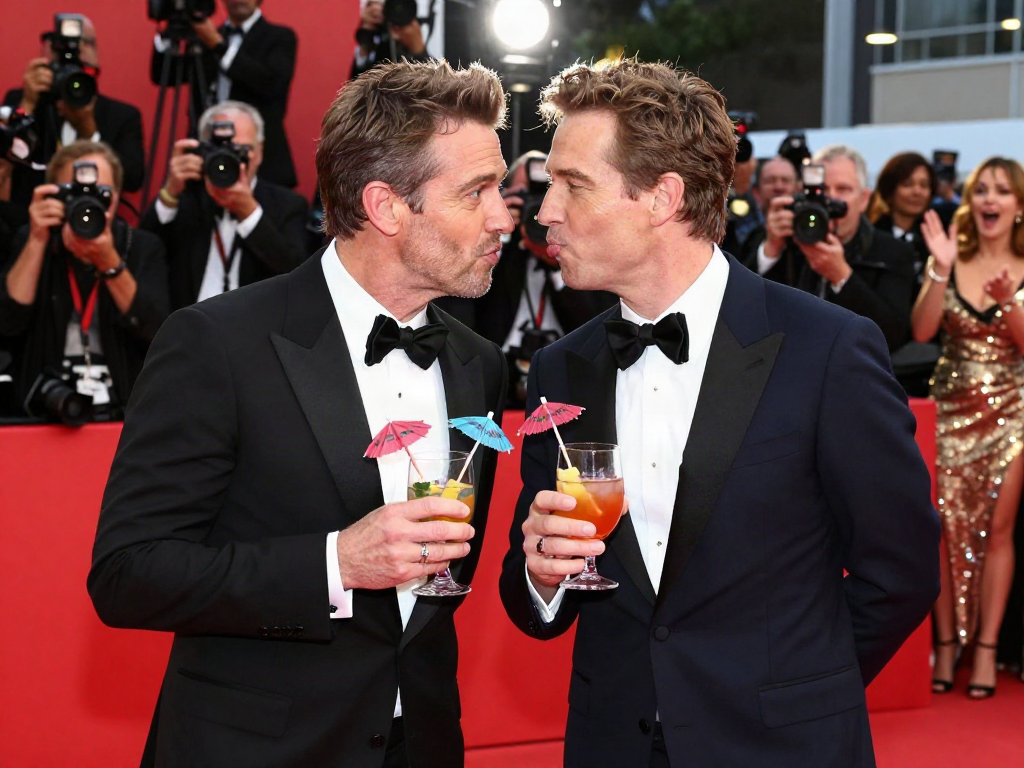
Red carpet events have become a hallmark for showcasing celebrity style, and the presence of lookalikes adds an intriguing twist. When similar-looking stars attend the same event, such as the Academy Awards or Met Gala, it creates a buzz that draws attention to their sartorial choices. For instance, when Thandiwe Newton and Zoe Saldaña walked the red carpet in similar cuts and styles, it generated discussions on social media about personal branding and the power of visual identity in the eyes of fashionistas.
Fashion Collaborations Inspired by Lookalikes
Fashion houses have increasingly recognized the power of celebrity doppelgangers. Collaborations highlighting lookalikes enable brands to tap into the intrigue surrounding these stars. Whether it’s a clothing line inspired by the style of Emma Stone and Jessica Chastain or makeup collections that draw inspiration from similar facial features of Rihanna and Lady Gaga, the fashion industry often leverages these comparisons to attract attention and drive sales.
Social Media Trends Driven by Celebrity Resemblance
Social media platforms are rife with trends that capitalize on celebrity lookalikes. Challenges such as "Lookalike Day" or viral videos demonstrating the uncanny resemblances have become popular content. Participatory engagement allows fans to connect over their shared interests, creating communities that celebrate these similarities. For instance, TikTok features numerous videos where users compare their traits to celebrities, further solidifying the connection between everyday individuals and iconic figures.
Celebrating Diversity: Lookalikes Across Different Cultures
Celebrity lookalikes also serve as a lens to explore diversity across cultures, demonstrating how resemblance can manifest in unique ways.
Famous Cross-Cultural Celebrity Lookalikes
Some of the most notable cross-cultural lookalikes include Jaden Smith and Famous Dex, both sharing not only physical traits but also similar paths in the music industry. Their appearances often ignite conversations about cultural representation and the blending of styles in the celebrity world. Another example is Rami Malek and Jared Leto, who are frequently compared due to their striking features and similar screen presences, enhancing the narrative surrounding diversity in Hollywood.
Diversity and Representation in Media
As the entertainment industry evolves, so does the conversation around diversity and representation. Celebrity lookalikes play a crucial role in highlighting how representation can exist in many forms. By showcasing doppelgangers of different racial and ethnic backgrounds, the industry can continue to challenge stereotypes and promote inclusivity. The similarities among stars such as Lupita Nyong’o and Danai Gurira offer a powerful reminder of the importance of diverse representation in media.
Impact of Cultural Background on Resemblance
It’s fascinating to observe how cultural backgrounds influence perceptions of resemblance. In regions where certain features are more prevalent, local celebrities often attract comparisons that may not be as noticeable in a global context. For instance, the striking similarities between Asian American actress Constance Wu and Chinese actress Liu Yifei reflect cultural nuances that resonate deeply within their respective audiences.
Future Trends in Celebrity Lookalikes
As we look forward to 2027 and beyond, the fascination with celebrity lookalikes is set to take on new dimensions.
Predictions for 2027 and Beyond
Emerging trends suggest that the fascination with celebrity doppelgangers will only grow, especially as the lines between celebrity and influencer continue to blur. New platforms will emerge, prompting discussions about lookalikes and their influence on pop culture. We may see a rise in AI-driven tools that help fans discover lookalikes in an ever-evolving digital landscape.
The Role of Technology in Identifying Lookalikes
The role of technology cannot be understated in revolutionizing how we identify lookalikes. Facial recognition software and apps that analyze similarities based on images can introduce a whole new level of engagement in the conversation. As technology advances, it may become commonplace to see apps that suggest lookalikes based on user-generated images.
Emerging Celebrities to Watch for Similarities
The entertainment scene is constantly evolving, and new stars often emerge who share striking resemblances to established idols. Actors like Jacob Elordi and Timothée Chalamet have begun to capture attention for their shared features. As these newcomers rise to stardom, expect the dialogue surrounding their similarities to intensify.
What Are the Most Common Questions About Celebrity Lookalikes?
- Can celebrities that look alike be related? While many celebrities may share physical traits, especially in smaller communities or within specific ethnic groups, it does not mean they are related by blood. However, familial resemblance can sometimes be striking.
- What makes two celebrities look alike? Common features such as facial symmetry, bone structure, and shared mannerisms often contribute to the perception of similarity. The combination of genetics and coincidental parallels in features can enhance the illusion.
- How are doppelgangers respected in pop culture? Doppelgangers are often embraced in pop culture due to their comedic potential and the curiosity they evoke. They can represent various themes, such as identity, duality, and the nature of fame.
- Are celebrity lookalikes good for business? Yes, celebrity lookalikes often find opportunities in promotional campaigns and media appearances, leveraging their resemblance to popular figures to attract attention and audiences.
- Do celebrity lookalikes get paid? In many cases, professional lookalikes receive compensation for their appearances, especially when hired for events, campaigns, or as influencers, thus capitalizing on their unique advantage.