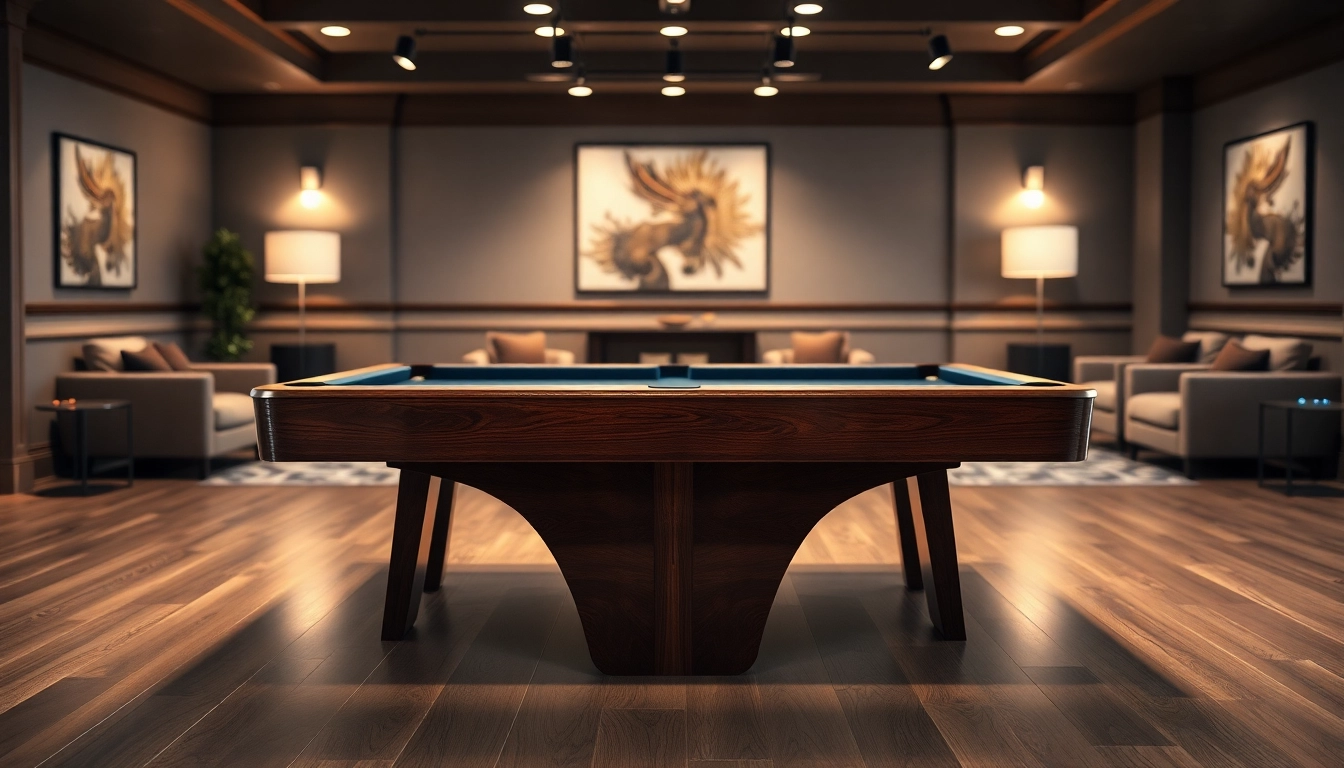
Understanding Pool Tables
Pool tables are more than just furniture; they are a centerpiece of socialization, entertainment, and skill development. When you're considering to Buy Pool Tables, it's crucial to understand the different types available and the features that suit your needs.
What are the Different Types of Pool Tables?
Pool tables come in various styles and constructions, catering to different preferences and abilities. The primary types include:
- Standard Pool Tables: Typically 7, 8, or 9 feet long, these tables are perfect for casual play and are often seen in homes and bars.
- Professional Pool Tables: More substantial and heavier, these tables are usually 9 feet long and meet tournament standards.
- Multi-Game Tables: These versatile tables can be converted into air hockey or ping pong tables, perfect for families seeking a variety of games.
- Outdoor Pool Tables: Made from weather-resistant materials, they are designed for outdoor settings while maintaining the same level of playability as indoor tables.
Each type offers unique attributes that cater to different player needs and environments, resulting in varying price points and features.
Key Features to Consider When You Buy Pool Tables
When purchasing a pool table, several key features should guide your decision:
- Slate vs. Non-Slate: Most high-quality tables use slate as it offers a smooth playing surface. Non-slate options are generally lower in price but might not provide the same playing experience.
- Table Size: The dimensions of a table significantly impact gameplay. Larger tables provide more room for complex shots and player skill development.
- Frame Construction: A robust frame ensures stability and longevity. Look for solid wood or metal frames for durability.
- Finish & Style: The aesthetics of a table matter; choose styles that complement your home décor while considering the maintenance required.
- Accessories: Some tables come with cues, balls, and covers. Ensure you consider what’s included in your purchase to avoid unexpected costs.
How to Measure Space for Your Pool Table
Measuring the space for your pool table is essential to ensure it fits comfortably in your game room. Here’s a simple guide:
- Measure the length and width of the room where you plan to place the table.
- Add an additional 5 feet of space around the table on all sides to allow room for players to move and cue comfortably.
- Consider additional belongings such as furniture that may hinder movement.
Proper sizing will enhance the play experience and ensure comfort.
Choosing the Right Size
Choosing the right size pool table can significantly affect your playing experience. It’s not only about fitting the table but also about player accessibility and gameplay efficiency.
Should You Buy a 7 or 8 Foot Pool Table?
This frequently debated topic boils down to the available space and your intended use. Generally:
- 7-Foot Tables: Often referred to as bar tables, they are suitable for smaller spaces and casual play.
- 8-Foot Tables: Considered the standard for home use; they offer a great balance of size and playability.
When deciding, think about your skill level, the space available, and the audience who will be using the table.
Using Space Efficiently for Your Pool Table Setup
Beyond just measuring, consider the flow of traffic and accessibility around the table:
- Identify a central location in a room where all angles are accessible.
- Ensure your table is not in a corner or against walls to promote smooth movement.
- Consider lighting; proper lighting enhances the playing experience and adds ambiance.
Popular Sizes and Their Uses
The most common pool table sizes include 7, 8, and 9 feet:
- 7 Feet: Preferable for recreational zones such as bars or family game rooms.
- 8 Feet: Ideal for home game rooms; often a perfect fit for players who want a professional feel.
- 9 Feet: Best for serious players and competitions, needs ample space for a full-sized experience.
Buying New vs. Used Pool Tables
The decision between new and used comes down to budget, condition preferences, and intended use. Both have advantages and caveats.
Pros and Cons of New Pool Tables
New pool tables offer:
- Warranty: Typically come with warranties that guarantee craftsmanship.
- Customization: Many brands offer customization options for color and features.
- Latest Technology: New tables are built with cutting-edge materials and designs.
However, they also come with higher price tags compared to used options.
Where to Find Quality Used Pool Tables
Quality used pool tables can often be found in various avenues:
- Online marketplaces like classified ads or forums.
- Local pool halls or sports clubs that may sell older models.
- Friends or family who may be upgrading their tables.
Always inquire about the table’s history and condition prior to purchase.
Assessing Condition and Quality in Used Tables
When evaluating a used table, consider the following:
- Check for any structural damage or warping of the slate.
- Inspect the felt for rips, stains, or excessive wear.
- Test the legs and frame for stability; any wobbling can indicate underlying issues.
Ensuring these elements are in good condition will ultimately affect your playing experience.
Budgeting for Your Purchase
It’s essential to set a budget to narrow down your options whether buying new or used. Understanding what to expect price-wise will help in making informed decisions.
Average Price Ranges for Pool Tables
Prices vary significantly based on size, quality, brand, and materials:
- Entry-Level Tables: Typically range from $500 to $1000 for smaller, less durable models.
- Mid-Range Tables: Good quality models can range from $1000 to $3000.
- High-End Tables: Luxury and professional-grade tables may exceed $3000, sometimes reaching $10,000 or more.
Factoring Additional Costs: Installation and Accessories
When budgeting, don’t forget to include:
- Delivery and Setup: Professional installation may be necessary, costing between $150 and $500.
- Accessories: Cues, covers, chalk, and balls can add $100 to $500 to your total investment.
Factoring in these costs will yield a more complete financial picture for your new game room addition.
Tips to Find Deals When You Buy Pool Tables
Finding a good deal doesn't have to be challenging. Here are some strategies:
- Subscribe to newsletter lists from retailers for exclusive discounts.
- Shop during the offseason when fewer people are buying.
- Negotiate when buying used to ensure you get a fair price.
These tactics can help you maximize your investment!
Maintaining Your Pool Table
Once you have invested in a pool table, maintaining it is crucial for longevity and performance. Regular maintenance consists of cleaning care and repair checks.
How to Care for and Maintain Your Pool Table
To ensure your table remains in excellent shape:
- Regularly clean the felt with a soft brush to remove dust and debris.
- Use a separate cleaning solution that is safe for the material of your table.
- Tighten loose screws and bolts periodically to maintain stability.
Establishing a routine will keep your table looking great and ready for play.
Recognizing Signs Your Pool Table Needs Repair
Being aware of potential issues can save you money in the long run. Signs include:
- Worn felt that affects gameplay and appearance.
- Structural instability in the frame, leading to wobbling or shaking.
- Visible damage to the slate that affects playability and requires repair.
Addressing these signs early can prolong your table’s life and ensure an enjoyable playing experience.
Extending the Life of Your Pool Table with Proper Use
How you and your guests use the table can greatly influence its lifespan:
- Encourage players to use cues properly to avoid striking the table edges.
- Limit food and drink around the table to prevent spills and stains.
- Store cues in a dedicated rack and use protective covers when the table is not in use.
Adopting good habits will help in maintaining your table’s integrity and appearance.
FAQs
1. What size pool table is best for a home?
For most homes, an 8-foot table strikes the perfect balance of playing space and size, accommodating a comfortable gaming experience.
2. How much does it cost to install a pool table?
Professional installation can range from $150 to $500, depending on the table size and complexity of setup.
3. How can I make my pool table last longer?
Regular cleaning, proper usage, and timely repairs contribute significantly to extending your table’s lifespan.
4. Where is the best place to buy a pool table?
Purchasing from a reputable retailer or trusted local seller can ensure quality and offer good post-sale support.
5. Should I buy a new or used pool table?
It depends on budget and personal preference; new tables offer warranties and custom options, while used tables can be more economical.