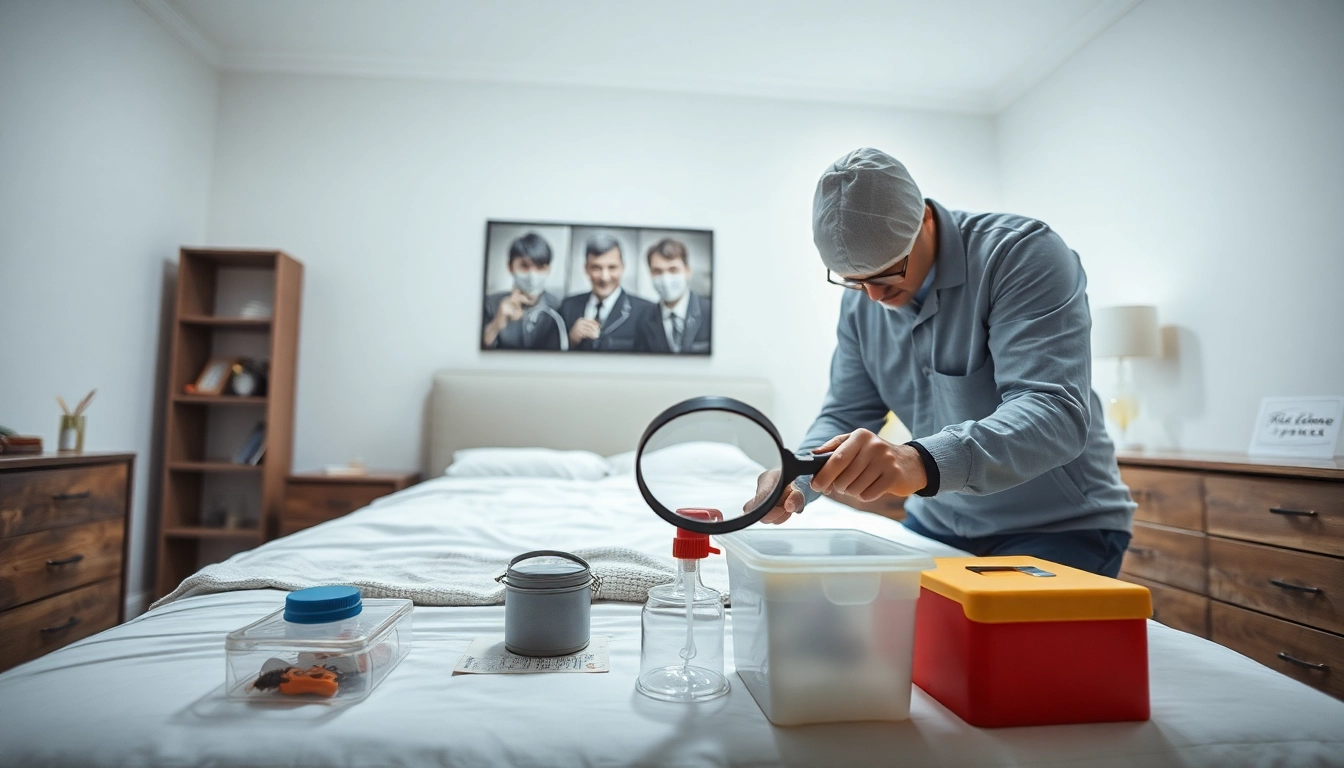
Understanding Bed Bug Removal: What You Need to Know
Bed bugs are a significant nuisance that can invade homes, hotels, and other spaces, prompting a desperate need for effective bed bug removal strategies. Understanding the nature of these pests and the removal process can empower homeowners and tenants alike to deal with infestations efficiently.
The Life Cycle of Bed Bugs
Bed bugs go through six stages from egg to adult, with a life cycle that can span from weeks to several months, depending on environmental conditions and availability of food. Female bed bugs lay around 200-500 eggs during their lifetime, which hatch in about a week. The newly hatched nymphs feed on blood immediately, molting five times before reaching maturity. Each stage requires at least one blood meal to progress. This rapid reproduction highlights the importance of timely intervention in bed bug removal efforts.
Signs of Bed Bug Infestation
Spotting bed bugs early can prevent severe infestations. Common signs include:
- Small blood stains on bed linens and mattresses.
- Dark spots of excrement on surfaces.
- Foul, sweet odors in sleeping areas.
- Shedded exoskeletons from molting nymphs.
- Itchy, red welts from bed bug bites on exposed skin.
Being vigilant about these indicators can help catch an infestation in its early stages, making the removal process more manageable.
Common Misconceptions About Bed Bugs
Numerous myths surround bed bugs that can hinder effective control measures:
- Misconception #1: Bed bugs are only found in dirty places. Reality: Bed bugs can thrive in pristine environments just as easily as messy ones.
- Misconception #2: You can get rid of bed bugs with household spray alone. Reality: Effective bed bug removal often requires multiple methods, including professional treatments.
- Misconception #3: Bed bugs spread diseases. Reality: While their bites can cause discomfort and allergic reactions, bed bugs do not carry diseases.
DIY Bed Bug Removal Techniques
When facing a bed bug infestation, many homeowners consider do-it-yourself (DIY) techniques before calling in professionals. While these methods can be effective for minor infestations, understanding their limitations is critical.
Preparing Your Home for Treatment
Before employing any DIY removal techniques, prepare your space:
- Remove clutter from the affected areas—bedrooms, living rooms, and other infested spaces.
- Wash all bedding, linens, and clothes in hot water and dry them on high heat to kill bed bugs and eggs.
- Vacuum thoroughly, focusing on the seams of mattresses, carpet edges, and all furniture.
- Seal vacuum bags and dispose of them immediately to avoid reinfestation.
This preparation lays a solid foundation for effective DIY removal strategies.
Effective Home Remedies for Bed Bugs
Several home remedies can complement your efforts in bed bug removal, though none substituted for comprehensive methods:
- Heat treatment: Bed bugs cannot survive temperatures over 120°F (49°C). Use a steamer on mattresses, couches, and other infested surfaces.
- Cold treatment: Freezing items for at least four days at 0°F (-18°C) can kill bed bugs and their eggs.
- Diatomaceous earth: This natural powder can desiccate bed bugs. Sprinkle it in areas suspected of infestation and leave it for a week before vacuuming.
- Essential oils: Oils like tea tree or lavender may repel bed bugs, but combinations and persistence are crucial.
When to Consider Professional Help
Though DIY methods can be effective for minor infestations, there are scenarios when professional help is necessary:
- Severe infestations where bed bugs are pervasive in multiple rooms.
- Recurrent infestations despite DIY efforts.
- Difficulty in accessing areas within the home where bed bugs can hide.
In these situations, professionals can ensure complete eradication through specialized treatments.
Professional Bed Bug Removal Services: An Overview
Professional pest control services offer a comprehensive approach to bed bug removal using advanced techniques and products that are often more effective than DIY methods.
What to Expect from Pest Control Professionals
When hiring pest control services, expect the following steps:
- Initial inspection: Professionals will assess your home to identify infested areas, enabling targeted treatments.
- Customized treatment plan: They will create a plan that may involve chemical treatments, heat treatments, and sealing to eliminate bed bugs effectively.
- Follow-up visits: Expect a series of follow-up visits to monitor the infestation and ensure that the bed bugs are entirely eradicated.
Long-Term Benefits of Professional Treatments
Choosing professional bed bug removal services not only addresses the current infestation but also provides long-term benefits:
- Comprehensive and thorough approaches that minimize the chance of recurrence.
- Expert knowledge on detection and prevention techniques.
- Access to products and methods not available to the general public.
These factors can significantly enhance your peace of mind and protect your home from future infestations.
How to Choose the Right Exterminator
Selecting the right pest control provider is crucial for effective bed bug removal. Consider the following criteria:
- Licenses and certifications: Ensure the company is licensed and employs certified technicians.
- Reputation: Read reviews and check ratings to gauge customer satisfaction.
- Experience: Choose a company with a proven track record in bed bug removals.
- Methods: Inquire about the treatments they plan to utilize to understand their strategy.
- Written estimate: Get a written quote detailing the costs and services involved.
Cost Factors in Bed Bug Removal
The cost of bed bug removal can vary significantly based on various factors. Understanding these can help homeowners manage their budgets effectively.
Understanding Treatment Costs
Factors affecting bed bug removal costs include:
- Severity of infestation: Larger or more widespread infestations typically incur higher costs.
- Home size: The larger the home, the more time and resources are needed for treatment.
- Treatment methods: Chemical treatments are often less expensive than heat treatments, but heat treatments can be more effective.
- Geographical location: Cost of services can vary based on regional demand and competition.
On average, homeowners can expect to pay between $500 to $1,500 for treatment, but it is essential to obtain quotes for a better understanding of specific case costs.
Cost-Effective Solutions for Homeowners
There are several strategies homeowners can implement to minimize costs:
- Prompt action: Addressing the problem early can prevent it from escalating into a severe infestation.
- Regular inspections: Consider an annual inspection to catch issues before they become major concerns.
- Combining treatments: Supplementing professional interventions with DIY methods can reduce overall costs.
Insurance Coverage for Bed Bug Removal
Homeowners insurance policies often do not cover bed bug extermination under standard plans, categories policies may contain exclusions. It's vital to review your policy thoroughly. Some renters' insurance may cover pest removal; check with your provider for specifics. Understanding your coverage can make the financial burden of bed bug removal easier to manage.
Prevention Tips Post Bed Bug Removal
Once you have successfully addressed a bed bug infestation, preventative measures are essential to avoid future issues.
Best Practices to Keep Bed Bugs Away
Incorporate these best practices into your routine to help keep bed bugs at bay:
- Inspect second-hand furniture and clothing thoroughly before bringing them home.
- Always check hotel rooms for signs of bed bugs before settling in, including inspecting mattresses and bed frames.
- Seal cracks and crevices in your home to minimize potential hiding places for bed bugs.
- Use encasements for mattresses and pillows that are designed to prevent bed bugs.
Monitoring for Future Infestations
Monitoring can help identify future infestations early:
- Regularly check all sleeping areas and furniture.
- Consider using bed bug monitors that can alert you to their presence.
- Maintain a clean and clutter-free environment to make detection easier.
Educational Resources and Support
Utilizing educational resources can enhance your understanding and management of bed bugs:
- Participate in local community seminars on pest prevention.
- Utilize government health resources for information on pest control.
- Stay informed through reputable online platforms about best practices and new treatments for bed bugs.
FAQs about Bed Bug Removal
1. How do I know if I have bed bugs?
Signs of bed bugs include bite marks on your skin, bloodstains on sheets, and dark spots of feces near beds and furniture.
2. Can I get rid of bed bugs on my own?
You can start with DIY methods like laundering linens and using heat or cold treatments, but severe infestations usually require professional help.
3. How long does bed bug removal take?
The duration of bed bug removal can vary; treatment may take several hours, and follow-ups can extend the process over a few weeks.
4. Are bed bugs dangerous?
Bed bugs are not known to spread diseases, but their bites can cause severe itching and allergic reactions in some individuals.
5. How can I prevent bed bugs from coming back?
Maintain cleanliness, regularly inspect for signs of bed bugs, and use protective encasements for mattresses and pillows to prevent re-infestation.