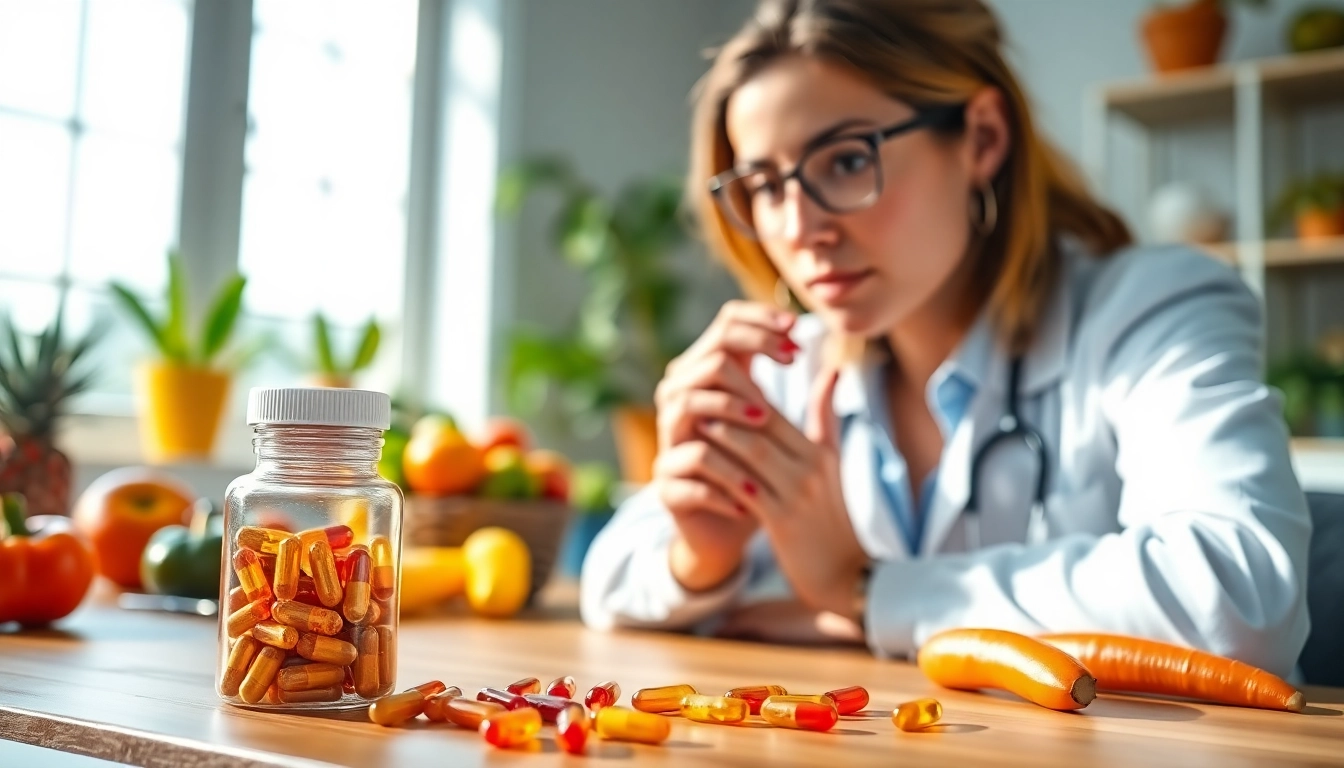
Understanding Astaxanthin
What is Astaxanthin?
Astaxanthin is a powerful carotenoid and antioxidant found primarily in certain algae, yeast, and seafood, such as salmon, shrimp, and lobster. Renowned for its vibrant red-orange hue, astaxanthin is classified as one of the most potent antioxidants in nature. It plays a crucial role in protecting cells from oxidative stress and inflammation, making it a popular supplement among health enthusiasts. The growing interest in its health benefits has led many to wonder, how much astaxanthin should I take, as consumer awareness continues to increase.
Sources of Astaxanthin
The primary natural sources of astaxanthin include microalgae, particularly Haematococcus pluvialis, which produces astaxanthin as a protective measure against environmental stress. Other notable sources include crustaceans like shrimp and krill, as well as fish such as salmon, trout, and red seabream. Foods rich in astaxanthin not only add flavor and nutrition to the diet but also can offer considerable health benefits, making such sources integral to one’s nutrition.
Health Benefits of Astaxanthin
Astaxanthin provides a myriad of health benefits that have been studied extensively. Its antioxidant properties assist in reducing inflammation, improving skin health, and promoting eye health by preventing oxidative damage. Research suggests that astaxanthin can enhance endurance, reduce muscle soreness after exercise, and even support cardiovascular health by improving lipid profiles. With such a variety of benefits, astaxanthin supplements have gained popularity among athletes, those looking to enhance beauty from within, and individuals aiming for overall wellness.
How Much Astaxanthin Should I Take
Recommended Daily Dosage
The recommended daily dosage of astaxanthin can vary depending on one's health goals, age, and lifestyle factors. Standard supplementation typically ranges from 4 to 12 mg per day for general health benefits. Some studies have showcased positive outcomes with doses up to 12 mg daily for enhanced athletic performance or skin protection. As with any supplement, individual requirements may differ, necessitating personal adjustments based on specific health needs and goals.
Factors Affecting Dosage
Several factors influence the optimal dosage of astaxanthin for individuals. These include age, body weight, gender, and health status, as certain conditions might require increased antioxidant support. For instance, athletes might benefit from higher dosage to aid in recovery and performance, while older adults may require it for joint and cardiovascular health. Lifestyle factors such as diet and exercise frequency also play a crucial role in determining the right intake level.
Consulting with Health Professionals
Before incorporating astaxanthin into your daily regimen, it is prudent to consult with healthcare professionals. Physicians or dietitians can offer personalized recommendations tailored to individual health needs and goals. They can also help assess any underlying health conditions or medications that might interact adversely with astaxanthin, ensuring a safe and effective supplementation strategy.
Defining Optimal Intake
Standard Guidelines by Age and Health Status
Standard dosage guidelines for astaxanthin often take age and health status into account. Younger adults generally operate well within the 4-8 mg range, while older individuals or those dealing with chronic health issues may benefit from higher dosages up to 12 mg. Additionally, pregnant or nursing women should seek professional advice for appropriate intake, ensuring both maternal and fetal safety.
Dosage for Specific Health Goals
For those pursuing specific health goals, such as skin protection, joint support, or enhanced athletic performance, tailored dosages can provide optimum outcomes. For skin health, a daily intake of about 6-12 mg has shown promising results in clinical studies. Athletes may require upwards of 8-12 mg to enhance recovery and overall performance. Tailoring your astaxanthin dosage according to your health ambitions can ensure that you maximize its benefits.
Signs of Adequate Intake
Identifying signs of appropriate astaxanthin intake can help in assessing whether you're reaping its benefits. Improved skin elasticity and reduced oxidative stress markers may indicate optimal levels. Additionally, enhanced energy levels and reduced muscle soreness post-exercise are also good indicators. Monitoring these signs can help individuals adjust their dosages as necessary to achieve desired health outcomes.
Potential Risks of Overconsumption
Understanding Astaxanthin Side Effects
While astaxanthin is generally safe and well-tolerated, excessive consumption can lead to mild side effects in some individuals. These may include gastrointestinal disturbances, such as diarrhea or stomach cramps, and an orange tint to the skin, known as carotenodermia. Most individuals can avoid these side effects by adhering to recommended dosages and gradually increasing their intake as needed.
Overdosage Symptoms
Symptoms of overconsumption of astaxanthin may include digestive upset, an unusual yellowing or orange coloration of the skin, or headaches. While these symptoms are typically mild and resolve with reduced intake, persistent or severe reactions should warrant medical attention. Any supplements should be taken responsibly to ensure safe and beneficial outcomes.
When to Seek Medical Advice
It's essential to seek medical advice if experiencing any unusual or severe side effects after taking astaxanthin. Individuals should also consult a healthcare provider if they have preexisting conditions, are pregnant or nursing, or are taking medications. This ensures both safety and effectiveness while minimizing potential interactions or adverse reactions.
Addressing Common Questions
Can I take astaxanthin if I’m pregnant?
Consult your healthcare provider before taking astaxanthin during pregnancy. Research on safety in pregnant women is limited, so professional guidance is crucial.
Is there a best time to take astaxanthin?
For the best absorption, take astaxanthin with a meal that contains fat, as it is a fat-soluble nutrient. This helps enhance its bioavailability and effectiveness.
How does astaxanthin interact with medications?
Astaxanthin may interact with certain medications, particularly blood thinners. Always discuss with your healthcare provider if you are on medication and considering astaxanthin supplementation.
Can I take astaxanthin with other antioxidants?
Yes, astaxanthin can be taken alongside other antioxidants. In fact, doing so may enhance overall antioxidant efficacy, improving health outcomes.
Is astaxanthin safe for long-term use?
Studies suggest that astaxanthin is safe for long-term use when taken at recommended dosages. However, ongoing consultation with a healthcare provider is advised for optimal safety.