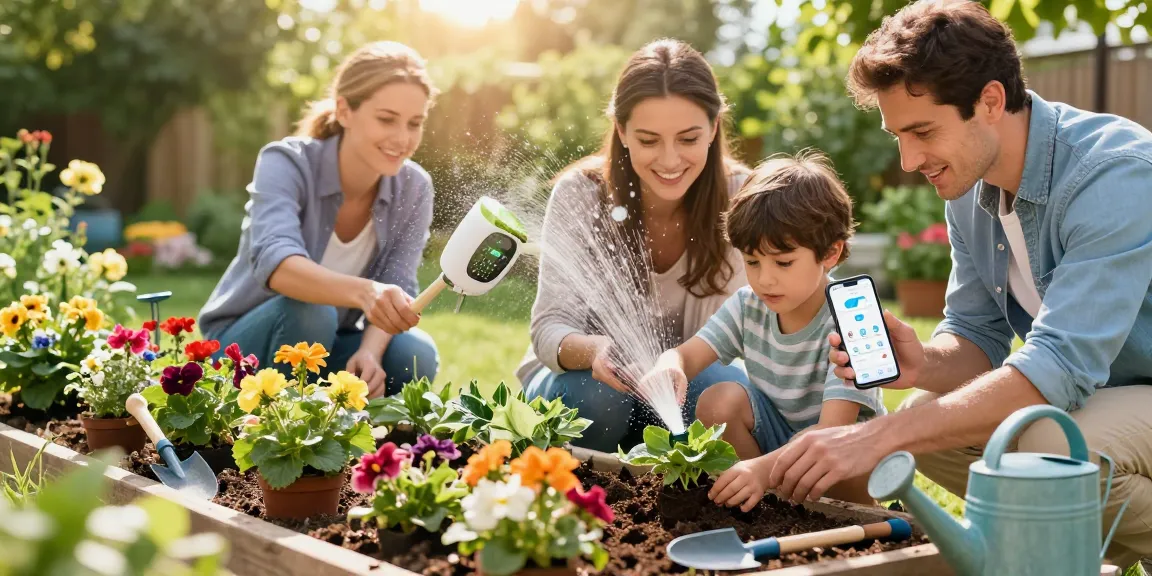
Understanding Smart Sprinklers: The Future of Gardening
In an era where water conservation is more crucial than ever, smart sprinklers have emerged as an innovative solution for efficient gardening and landscape management. These advanced systems allow homeowners and gardeners to automate their irrigation processes, ensuring plants receive the optimal amount of water while minimizing waste. With technology rapidly evolving, the smart sprinkler has become an essential tool for anyone looking to maintain a thriving garden without the constant manual effort traditionally involved. This article delves into the features and benefits of smart sprinklers, addressing common watering challenges while providing insights into the selection and installation of these intelligent systems.
When exploring options, smart sprinkler systems can greatly enhance your gardening experience by providing tailored solutions that meet the unique needs of your landscape.
What is a Smart Sprinkler?
A smart sprinkler system is an automated irrigation setup that utilizes advanced technology to effectively manage water usage. These systems can be programmed and controlled remotely via a smartphone application or a smart home device, giving users the ability to customize their watering schedules based on various factors such as weather conditions, soil moisture levels, and plant requirements. Unlike traditional sprinklers, smart systems can adapt in real-time, ensuring efficient water application and promoting healthier plant growth.
Benefits of Using Smart Sprinklers
The adoption of smart sprinklers offers numerous advantages for both residential and commercial gardens:
- Water Conservation: Smart sprinklers can significantly reduce water waste by adjusting the irrigation schedule based on rainfall and soil moisture, leading to lower water bills and a more sustainable gardening practice.
- Convenience: The ability to control your irrigation system remotely means less time spent managing watering tasks. Many users appreciate the "set it and forget it" nature of these devices.
- Healthier Plants: By providing the right amount of water at the right time, smart sprinklers can help plants thrive, resulting in lush gardens and healthier landscapes.
- Data-Driven Decisions: Smart systems often come with built-in sensors that provide valuable data about water usage and soil conditions, empowering gardeners to make informed decisions about their watering strategies.
Key Features to Look For
When considering a smart sprinkler system, certain features can enhance its effectiveness:
- Soil Moisture Sensors: These sensors allow the system to measure the moisture content in the soil, ensuring watering only occurs when necessary.
- Weather Integration: Smart sprinklers that connect with weather forecasting services can adjust watering schedules based on local weather conditions, preventing overwatering during rainy periods.
- Remote Control and Scheduling: The ability to control the system via a smartphone application gives users flexibility and convenience in managing their irrigation setups.
- Multiple Zone Management: For those with diverse landscapes, the ability to set different watering schedules for various zones is crucial for meeting the unique needs of different plants.
Pain Points: Overcoming Watering Challenges
Despite the advantages of automated irrigation, many gardeners still face challenges related to their watering practices. Recognizing these pain points is essential in understanding how smart sprinklers can provide solutions.
Identifying Common Watering Issues
Many homeowners struggle with issues such as:
- Overwatering: Applying too much water can lead to root rot and plant stress.
- Underwatering: Insufficient watering can stunt plant growth and lead to wilting or dying plants.
- Inconsistent Watering: Relying on manual watering can often result in irregular schedules, negatively impacting plant health.
- Time Consumption: Many busy individuals find it difficult to dedicate time for manual watering, leading to neglected gardens.
How Smart Sprinklers Solve These Problems
Smart sprinklers effectively address these issues through:
- Real-time adjustments based on soil moisture levels, preventing over and under-watering.
- Automated schedules that ensure plants receive consistent care regardless of the owner's availability.
- Remote controls that allow users to monitor and adjust watering from virtually anywhere.
Real-Life Customer Stories
Many users have shared their experiences with smart sprinklers, highlighting their transformative impact on gardening:
- A homeowner with a sprawling garden reported saved hours of maintenance time and observed improved plant health after switching to a smart irrigation system.
- Another customer noted how the smart sprinkler's data tracking features provided insights that led to better water conservation strategies.
Choosing the Right Smart Sprinkler for Your Needs
Selecting the appropriate smart sprinkler system is crucial for optimizing your garden's health and water usage. Here are some considerations to keep in mind when shopping for a smart sprinkler system.
Factors to Consider in Your Selection
When choosing a smart sprinkler, consider:
- Garden Size: Evaluate the coverage area of the smart system and ensure it matches your landscape's requirements.
- Watering Needs: Identify the specific needs of the plants in your garden, including their moisture requirements and sunlight exposure.
- Smart Features: Assess the features offered by different models, including compatibility with home automation systems and mobile applications.
Comparing Different Models
Comparing various smart sprinkler models is essential to understand what fits your gardening needs best. Look for user reviews, feature comparisons, and warranty options to make an informed decision.
Recommendations for Various Garden Types
Different gardens may require specific types of smart sprinkler systems:
- Residential Gardens: Look for systems that integrate weather data and soil moisture sensors.
- Commercial Landscapes: Consider models that offer advanced analytics and multi-zone management.
- Indoor Gardens: Ensure compatibility with indoor plant needs through adjustable settings and moisture sensors.
Installation and Setup: A Step-by-Step Guide
Setting up a smart sprinkler system can seem daunting; however, following a structured approach can make it straightforward and efficient.
Preparing Your Garden for Installation
Before installation, assess your garden layout and existing irrigation systems. Consider the best placement for sprinkler heads to achieve optimal coverage.
Configuring Your Smart Sprinkler
Once installed, the configuration process typically involves connecting the system to a home Wi-Fi network, downloading the corresponding mobile app, and syncing the device for remote access.
Integrating with Home Automation Systems
For maximal efficiency, consider integrating your smart sprinkler system with existing home automation setups. This can enhance monitoring and control capabilities, allowing for seamless management alongside other smart devices.
The Future of Smart Irrigation Technology
The landscape of smart irrigation continues to evolve, promising exciting developments that will further reshape how gardeners manage their watering practices.
Emerging Trends in Landscape Management
As technology advances, we can expect innovations such as AI-driven analysis that offers personalized watering schedules based on plant growth patterns and weather forecasting.
Innovations for Better Water Conservation
Future smart systems may incorporate more sophisticated sensors capable of detecting not just soil moisture, but also plant health metrics, facilitating precise irrigation.
Preparing for 2026: What to Expect
Looking ahead to 2026, smart sprinklers are likely to adopt more sustainable practices, focusing on energy efficiency and enhanced connectivity with other devices in smart homes.
What are Additional Benefits?
Beyond convenience and water savings, smart sprinklers also contribute to reduced manual labor in gardening, enabling users to spend more time enjoying their outdoor spaces.
How Can Smart Sprinklers Impact Your Water Bill?
By minimizing water wastage, users can experience a noticeable reduction in their monthly water bill, thereby contributing to overall household savings.
Are Smart Sprinklers Compatible with Organic Gardening?
Yes! Smart sprinklers can be incredibly useful for organic gardeners, allowing for precise watering that promotes healthy plant growth while adhering to organic gardening principles.
How to Troubleshoot Common Smart Sprinkler Issues?
Common issues may include connectivity problems or incorrect scheduling. Most manufacturers provide troubleshooting guides through their support resources to help users resolve these challenges swiftly.
What Size of Garden Is Best Suited for Smart Sprinklers?
Smart sprinklers can be advantageous for gardens of all sizes. However, their benefits become increasingly apparent in larger gardens where manual watering is impractical.
What is the Average Lifespan of a Smart Sprinkler System?
Typically, a well-maintained smart sprinkler system can last anywhere from 5 to 10 years, depending on the quality of materials and usage.