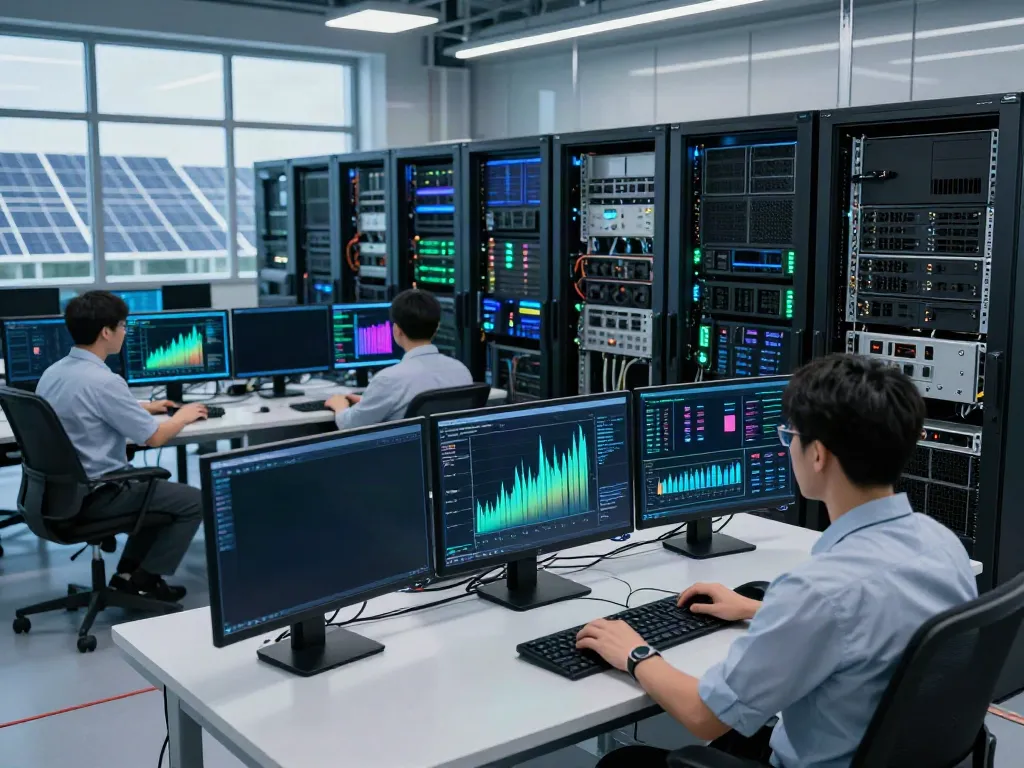
Understanding AI Inference in Modern Applications
As artificial intelligence (AI) technologies advance, understanding the mechanisms that drive their effectiveness becomes paramount. AI inference stands at the core of AI operations, providing the capability to apply trained models to new data and generate actionable insights. By grasping the intricacies of AI inference, businesses can leverage this technology to enhance their operations and make data-driven decisions. For those exploring options in this arena, AI inference offers comprehensive insights into the infrastructure that supports these operations.
What is AI Inference?
AI inference refers to the process of using a trained machine learning model to make predictions or decisions based on new, unseen data. Unlike training, where a model learns from large datasets, inference involves applying the knowledge acquired during training to derive conclusions from current inputs. This process is crucial for real-time applications in sectors like healthcare, finance, and retail, where timely insights can drive competitive advantages.
Differences Between AI Training and Inference
Understanding the distinction between training and inference is vital for anyone involved in AI development. During training, a model learns patterns from large datasets, adjusting its parameters to minimize errors. Inference, however, uses the trained model to process new data. This difference underscores the need for substantial computational resources during training, whereas inference often requires optimized configurations to deliver results promptly.
Real-World Use Cases of AI Inference
The applications of AI inference are vast. For instance, in healthcare, AI models can analyze medical images to identify tumors at early stages. In finance, predictive models can assess credit risk by analyzing consumer behavior and transaction history. Retailers leverage AI inference to personalize customer experiences by recommending products based on purchase history. These examples illustrate how AI inference can transform industries through enhanced decision-making capabilities.
The Role of Power Infrastructure in AI Inference
As the demand for AI applications continues to grow, the importance of robust power infrastructure becomes increasingly significant. Reliable electricity supply is essential to support the high-performance computing requirements of AI workloads. The integration of power infrastructure in AI operations ensures that the necessary computing resources are available to process data efficiently without interruptions.
How Electricity Fuels AI Operations
Electricity is the lifeblood of AI operations, particularly for data centers that host GPU infrastructure required for inference tasks. These facilities depend on consistent power to run complex models and handle significant data throughput. Power management systems are critical in ensuring that energy consumption aligns with operational needs, optimizing efficiency while minimizing costs.
Scaling Power Resources for AI Workloads
As AI models become more sophisticated, their energy requirements escalate. This necessitates a scalable power infrastructure capable of adjusting to fluctuating needs. Implementing smart grid technologies and renewable energy sources can help create efficient power solutions, ensuring that AI operations remain sustainable while supporting intensive workloads.
Future Energy Solutions for AI Infrastructures
Looking ahead, the integration of renewable energy sources like solar and wind into AI infrastructures will be crucial. These sources not only provide sustainability but also enable organizations to reduce operational costs and their carbon footprint. As policies and technologies evolve, embracing clean energy solutions will become a competitive advantage for AI-driven enterprises.
Measuring Performance in AI Inference
To assess the effectiveness of AI inference processes, businesses must implement robust metrics. These metrics guide decision-making and optimization efforts, impacting both operational efficiency and return on investment.
Key Metrics for Evaluating Inference Efficiency
Several key performance indicators (KPIs) are utilized to evaluate inference efficiency, including latency, throughput, and accuracy. Latency measures the time taken to produce a response after receiving input, while throughput indicates the number of inferences processed within a set time frame. Accuracy reflects the model's effectiveness in delivering correct predictions, which is essential for maintaining trust in AI systems.
Impact of Token-Metered AI Services on Performance
With the rising adoption of AI services, organizations are increasingly using token-metered systems to quantify performance. These services track usage and help align resources with demand, allowing businesses to optimize their operational strategies. By integrating token-metrics, companies can better manage costs while enhancing the scalability of their AI applications.
Case Studies: Successful AI Inference Implementations
Numerous organizations have successfully implemented AI inference to drive innovation. For instance, a major financial institution utilized AI to streamline its fraud detection processes, significantly reducing false positives and improving customer satisfaction. Another example is a healthcare provider that leveraged AI inference to predict patient readmission rates, enabling proactive measures to improve patient outcomes. These cases exemplify the transformative power of AI inference across various sectors.
Challenges in AI Inference Implementation
Despite its potential, implementing AI inference comes with challenges that organizations must navigate to maximize benefits.
Common Misconceptions in AI Inference Technology
A prevalent misconception is that AI inference is a one-time setup without ongoing requirements. In reality, continuous monitoring and adaptation are crucial for maintaining model effectiveness, especially as data and operational contexts change. Organizations must foster a culture of learning and experimentation to leverage AI to its fullest potential.
Overcoming Resource Constraints in AI Operations
Resource constraints can hinder the deployment of AI inference capabilities. Organizations should explore cloud computing options that offer flexibility and scalability. This shift allows businesses to allocate resources dynamically, adapting to changing demand while avoiding the costs associated with maintaining extensive on-premises infrastructure.
Strategies for Managing Inference Workloads
Effective management of inference workloads is essential for optimizing performance. Techniques such as load balancing and prioritization of critical tasks can significantly enhance throughput and efficiency. Implementing automated systems that allocate resources based on real-time demand further streamlines operations, ensuring that AI applications remain responsive and effective.
Future Trends in AI Inference for 2026 and Beyond
As the landscape of AI continues to evolve, several trends are shaping the future of AI inference.
Emerging Technologies Shaping AI Inference
Technologies such as edge computing and 5G networks are poised to revolutionize AI inference by enabling faster data processing at the source. Edge computing reduces latency by processing data closer to where it is generated, enhancing real-time capabilities for AI applications. The advent of 5G will further support these trends by providing the necessary bandwidth for data-intensive AI operations.
Predictions for AI Inference Market Growth
The AI inference market is expected to see substantial growth, driven by increasing investments in AI technology across various sectors. As more companies recognize the strategic benefits of AI, the demand for efficient inference solutions will rise. This growth will likely be accompanied by a diversification of applications and industries leveraging AI capabilities.
Integrating AI Inference with Other Technologies
The integration of AI inference with complementary technologies like the Internet of Things (IoT) and blockchain will create new opportunities. For instance, AI can enhance IoT applications by providing predictive insights based on data from connected devices, while blockchain can offer secure and transparent data management solutions for AI systems. This synergy will unlock innovative applications and improve operational efficiencies.
What are the advantages of participating in the AI Inference ecosystem?
Joining the AI inference ecosystem offers participants numerous benefits, including access to cutting-edge technologies, collaboration opportunities, and the ability to leverage shared resources. Organizations can enhance their AI capabilities by engaging with partners and accessing diverse datasets and models, driving innovation while managing costs and reducing risks.